Understanding IQ Scores
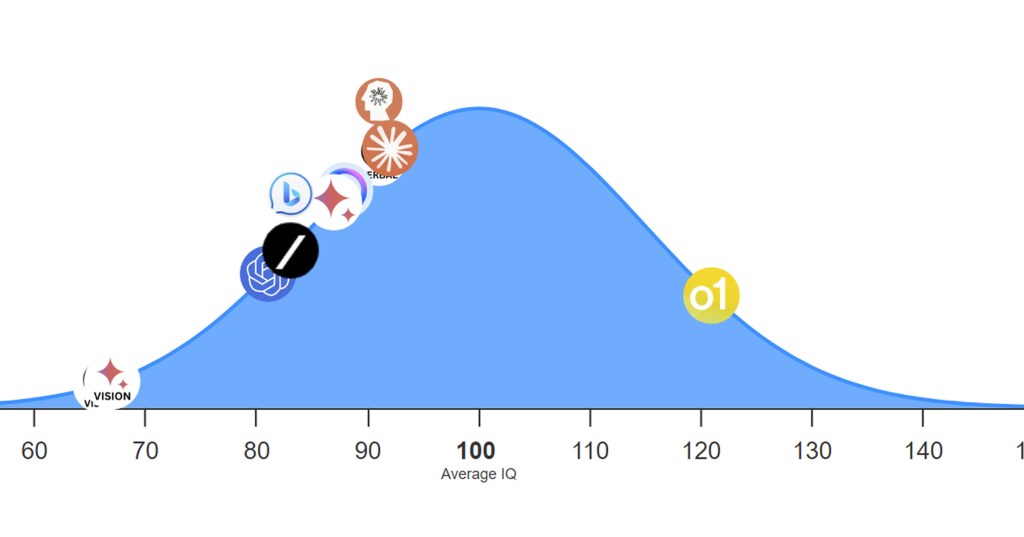
Before diving into age-specific numbers, it’s important to understand how IQ is measured. IQ tests are standardized so that the average score is always 100, regardless of age. The standard deviation is typically 15 points, which means:
- Average IQ: 90–110
- Above Average: 111–120
- High IQ: 121 and above
- Below Average: 80–89
- Low IQ: Below 80
IQ tests are designed to adjust for age, so a score of 100 means the child is performing at the expected level for their age group.
Lets break down what is the average iq for a 12 year old.
Average IQ for an 11 Year Old Boy
At age 11, most boys fall within the average IQ range of 90 to 110. This is the stage when children are transitioning from concrete thinking to more abstract reasoning. They start to understand complex ideas and make connections between them. Educational focus at this age often shifts from learning to read to reading to learn, and an IQ in the average range typically supports this transition well.
Average IQ for a 12 Year Old Boy
A 12-year-old boy also has an average IQ range of 90 to 110. At this stage, cognitive abilities continue to grow, and many children become more independent in their thinking. They develop better memory skills and begin to think more critically. This age is often marked by an increase in curiosity, problem-solving skills, and a stronger ability to understand cause and effect.
Average IQ for a 13 Year Old Boy
By age 13, the average IQ still remains around 90 to 110. However, puberty may influence brain development, sometimes leading to temporary changes in attention span and learning style. Emotional and social intelligence also start to play a larger role during this time, though these aren’t typically measured by standard IQ tests. Boys at this age may begin to show stronger interests in specific subjects, which can influence how they score on certain types of IQ assessments.
Average IQ for a 14 Year Old Boy
At 14, the average IQ remains consistent with earlier ages—90 to 110. However, it’s important to remember that this is also a time of significant brain development. Teenagers begin to improve in abstract thinking, planning ahead, and weighing consequences. These developing skills may not always reflect immediately in IQ scores but are crucial for overall intellectual growth.
Final Thoughts
IQ scores provide a general view of a child’s cognitive development, but they don’t capture everything. Skills like creativity, motivation, emotional intelligence, and adaptability are just as important and aren’t measured by traditional IQ tests.
If you’re concerned about your child’s IQ or academic performance, it’s a good idea to speak with a school psychologist or educational specialist. Remember, every child learns and grows at their own pace. An average IQ doesn’t define potential—it simply reflects one part of a much bigger picture.
 What is the Average IQ for a 12 Year Old Boy (and 11 Year Old, 13 Year Old, 14 Year Old)